
TMS treatment
in Haarlem
Waiting times & opening hours in Haarlem
Our Haarlem clinic is open throughout the week. Below, you’ll find our current estimated waiting times.
Opening hours
Clinic Haarlem
- Monday Closed
- Tuesday 10:00 – 16:00
- Wednesday Closed
- Thursday Today 10:00 – 16:00
- Friday 10:00 – 16:00
- Saturday Closed
- Sunday Closed
Haarlem, Netherlands
Waiting times
Estimated - Last Update Oct 19, 2026
-
12 weeks
STEP 1
Pre-intake registration
Phone consultation
-
24 weeks
STEP 2
Intake with coordinating practitioner
Phone consultation
-
32 weeks later
STEP 3
On-site intake
In-person consultation in Haarlem
About the treatment
Repetitive transcranial magnetic stimulation (rTMS), commonly referred to as TMS, is a non-invasive treatment method that focuses on activating specific areas of the brain. This approach is particularly suitable when previous therapies or medications have not been effective. By using magnetic pulses, certain brain regions are stimulated, which can help reduce symptoms of depression and obsessive-compulsive disorder (OCD).
What is TMS?
TMS therapy targets specific areas of the brain where activity is dysregulated, without the need for anaesthesia or invasive procedures.
We use TMS to treat
- Depression, particularly treatment-resistant depression
- Depression with comorbid obsessive-compulsive disorder (OCD)
Benefits of TMS
- Non-invasive treatment with long-lasting effects
- Helps normalise brain activity, which may reduce symptoms
- Can be combined with psychotherapy and medication
Why choose rTMS International?
Personalised treatment
We develop a treatment plan tailored to your individual needs. We recognise that every person is unique and carefully adapt the treatment process accordingly.
Experienced specialists
Treatment is provided by experienced psychologists, nurses and TMS technicians with specialised expertise in TMS, psychotherapy and patient support.
Personal care and support
We support you throughout the entire process, from initial assessment to your final session. You’re more than just a number. Our care is centered around your needs and individual situation.
Care beyond symptom relief
Everyone deserves care that is effective, personalised and accessible. That is why our approach is built on personal attention, expertise and commitment. We believe that combining neuromodulation with psychosocial support offers a unique and powerful approach that can make a meaningful difference in people’s lives. Our approach focuses not only on reducing symptoms, but also on building resilience.
EASILY ACCESSIBLE
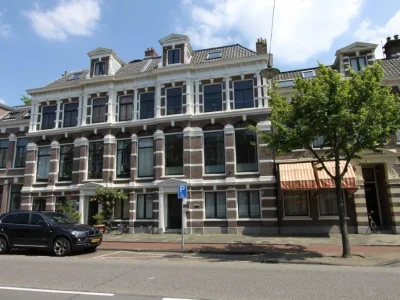
Our Haarlem clinic is easily accessible by both car and public transport. We are centrally located, with ample paid parking available nearby.
Frequently asked
It can be difficult to assess this yourself. With our suitability test (currently available in Dutch), you can get an initial indication of whether TMS may be suitable for you. During the intake, our psychiatrist will assess whether TMS is an appropriate treatment based on your symptoms.
If you have treatment-resistant depression (where at least two previous treatments have not been sufficiently effective), TMS is in many cases largely reimbursed by your health insurance. The exact reimbursement percentage varies per insurer and policy. Any remaining costs are waived by us, meaning you do not have to pay anything extra yourself. Currently, DSW and Zorg en Zekerheid do not reimburse TMS treatment. You can view the reimbursement overview here. For costs per session and other fees, click here.
An rTMS treatment typically consists of 30 to 50 sessions for a lasting effect. These sessions usually take place several times per week over the course of a few weeks. In more intensive treatment programs, sessions may even take place multiple times per day.
TMS is a safe and scientifically validated treatment for depression and OCD. Although it is generally considered safe, there are some risks and possible side effects to be aware of. These are usually mild and do not occur in everyone. In rare cases, a seizure may occur. For individuals with a history of epilepsy, there is a theoretical increased risk, but this has never occurred in TMS treatments in the Netherlands.
Some side effects may include:
- Headache: a common side effect that may occur during or after treatment (in about 10% of people)
- Mild pain or discomfort at the stimulation site: some people experience slight discomfort where the magnetic pulses are applied (rare)
- Mild dizziness: some patients report feeling lightheaded after a session (very rare)
- Muscle contractions or tingling: mild muscle twitches or tingling sensations may occur during stimulation (very rare)
Evidence-based treatment with a personal touch
Combining neuromodulation with personalized care to help you achieve meaningful, lasting improvement.
Personal contact
Get in touch using our contact form if you have any questions or would like more info.