Wat is RTMS?
What is rTMS?
rTMS stands for repetitive Transcranial Magnetic Stimulation. It is a non-invasive treatment in which a series of short magnetic pulses are delivered through the scalp to stimulate specific areas of the brain and help restore balance in brain activity. rTMS therapy is a neuromodulation technique that targets brain regions that are out of balance, without the need for anesthesia or surgical intervention.
rTMS helps restore balance in the brain, with effects that can be noticeable in the long term. It is a clinically proven treatment for depression, obsessive-compulsive symptoms, anxiety, and other conditions. By using magnetic pulses, specific brain areas are stimulated to improve communication between them, which can help reduce symptoms of conditions such as depression and OCD.
Neuromodulation
Neuromodulation is the targeted modulation of brain activity. By stimulating or inhibiting specific brain regions, communication between nerve cells can be restored.
Combination therapy
rTMS can be used as a standalone treatment, but also as an adjunct therapy. Many people start rTMS while using antidepressants and may choose to gradually taper off their medication during treatment.
Long-term effects
rTMS promotes lasting brain changes that support sustained recovery. Many patients continue to experience a more stable mood and fewer relapses for months to years after completing treatment.
How does rTMS work?
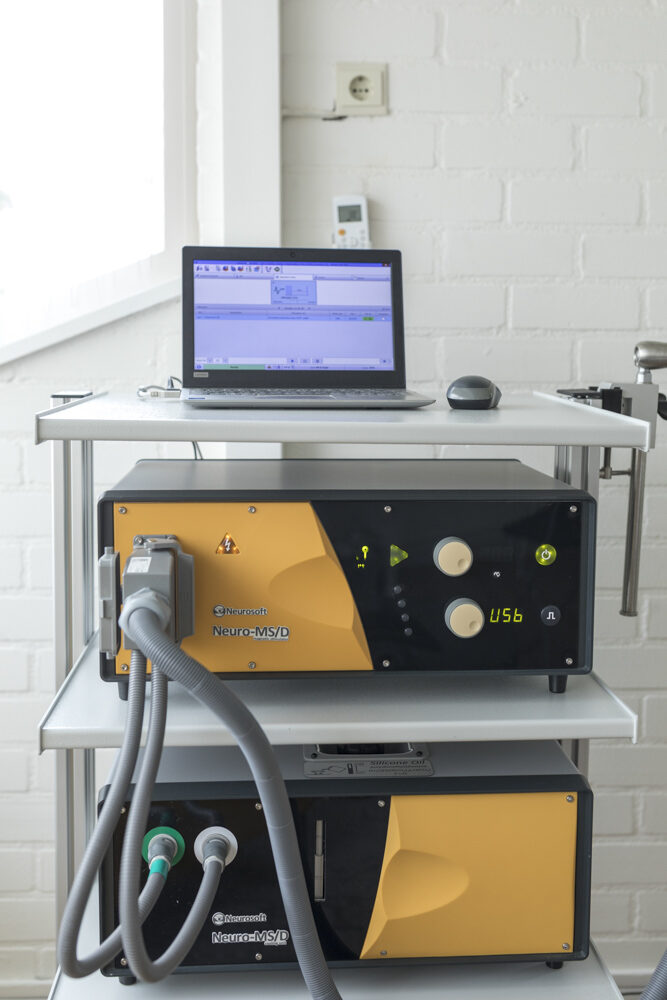
During a treatment session, you sit in a treatment chair while a coil is placed on your head, positioned over the area of the brain being treated. This coil delivers a series of short pulses that either stimulate or inhibit brain cells, depending on the goal of the treatment.
The coil generates a magnetic field that passes through the skull and induces small electrical currents in the cerebral cortex. These currents stimulate the nerve cells (neurons) in that area, altering their activity, either increasing or decreasing it, depending on the frequency of the pulses.
What do you experience during the treatment?
During the first few sessions, the tapping sensation on the scalp may feel uncomfortable. This varies from person to person: some experience it as painful, while others find it tolerable. Some patients undergoing rTMS may experience mild to moderate headaches or pain around the treated area during the initial sessions.
It is also possible to experience small muscle twitches in the face during treatment. This is harmless and stops as soon as the stimulation ends. It occurs because the facial nerve can be triggered, causing the facial muscles to respond to the magnetic pulses.
Pain relief medication, such as paracetamol, can be used before or after sessions to reduce headaches. Over time, you may become accustomed to the tapping sensation, and discomfort during treatment often decreases. During the discharge of the coil, you will hear a clicking sound. You may choose to use earplugs if you find this sound bothersome.
The effects of rTMS-therapy
Neuromodulation
rTMS promotes neuroplasticity, increasing the brain’s ability to change and adapt. This can enhance treatment effectiveness by making the brain more receptive to new patterns of thinking and behavior. By stimulating specific brain regions, the treatment helps reduce negative thoughts and emotions and restores balance in brain activity.
The effects of the treatment
For many patients, this leads to a significant reduction in symptoms, with improvements in mood, concentration, and cognitive functioning. The effects of rTMS can be long-lasting, resulting in sustained improvements in both emotional well-being and daily functioning. rTMS offers a non-invasive and effective approach that can ease symptoms and enhance quality of life for many people.
Maximum effectiveness, minimal side effects
rTMS directly targets your brain. It leads to neurological changes that genuinely influence depressive symptoms. An rTMS treatment improves disrupted communication between brain regions, resulting in a reduction of symptoms. This does not mean that depression is permanently cured, but in the event of a relapse, rTMS booster or maintenance sessions often produce good results. The treatment is time-intensive but involves few side effects. Most side effects, primarily scalp discomfort during stimulation and headaches, are generally well tolerated and can be effectively managed with pain relief medication.
When is the treatment applied?
rTMS is primarily used for the treatment of therapy-resistant depression, meaning that other treatments such as medication or psychotherapy have not had sufficient effect. In conditions such as depression, activity in certain brain regions is dysregulated, and rTMS can help restore this balance.
Conditions rTMS can be effective for
- Depression
- Obsessive-compulsive disorder (OCD)
- Chronic neuropathic pain
- Motor rehabilitation after stroke
- Parkinson’s disease (for relief of motor symptoms)
- Post-traumatic stress disorder (PTSD) and anxiety disorders (under research)
- Addiction
rTMS International offers treatment for
- Depression and treatment-resistant depression
- Obsessive-compulsive disorder (OCD)
- Anxiety symptoms associated with depression
- Other indications by consultation
Scientifically proven
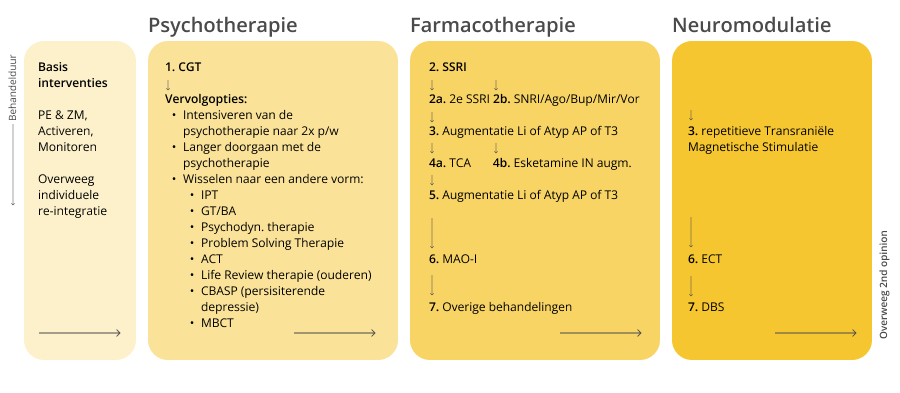
rTMS is included as a recommended treatment option in the multidisciplinary guideline for depression (May 2024), alongside psychotherapy and medication.
The treatment has been extensively studied and is widely used worldwide within psychiatry and psychology.
Depression guideline
Why rTMS is worth considering
rTMS offers a new pathway to recovery by targeting underlying brain activity rather than focusing on symptoms alone. By directly stimulating the brain, it creates space for recovery from within, a safe and effective step towards healing.
It is scientifically proven. rTMS is included as a recommended treatment option in the multidisciplinary guideline for depression (May 2024), alongside psychotherapy and medication. rTMS has been extensively researched and is used worldwide.
It restores brain activity rather than merely relieving symptoms. While medication often works systemically, rTMS targets the core of the problem directly.
It causes fewer side effects than medication. There is no weight gain, no drowsiness, and no emotional blunting. Side effects are generally limited to headaches or a mild tingling sensation at the stimulation site and are usually well tolerated.
Who is rTMS suitable for?
This effective treatment is unfortunately not suitable for everyone. In certain medical conditions or situations, rTMS is not permitted (contraindications). That is why it is important to assess in advance whether you are eligible for the treatment.
What are the side effects?
rTMS is a safe treatment method. The most common side effect is headache. This usually occurs only during the first sessions, is temporary in nature, and can often be easily relieved with paracetamol.
A very rare side effect is the occurrence of a seizure. People with a medical history that indicates an increased risk of seizures are therefore not eligible for this treatment.
Depression
Treatment-resistant depression, SAD
Compulsive disorder
OCD, often comorbid with depression
Anxiety-related disorders
Other indications
Potentially suitable, subject to consultation
rTMS and talk therapy
Everyone is unique, and the same applies to the mental challenges you may be facing. At our clinic, we don’t just look at symptoms, but primarily at the person behind them. Whether you are struggling with treatment-resistant depression, obsessive-compulsive disorder, or a combination of both, we believe in a treatment plan that is fully tailored to your individual needs and circumstances. With our integrated approach, we combine rTMS with talk therapy, so you receive both physical and emotional support.
When rTMS therapy is effective, it can reduce depressive symptoms, allowing talk therapy to be more effective. Talk therapies such as cognitive behavioural therapy (CBT) help you develop skills and strategies to better manage negative thought patterns. By alleviating symptoms through rTMS, you are in a stronger mental position to learn and apply these techniques effectively. This helps make positive changes more sustainable and allows you to build toward recovery step by step.
Why choose us?
At rTMS International, it’s not just about the technology, it’s about you as a person. You are guided by experienced healthcare professionals who look beyond symptoms and focus on who you are and what you need. We work in a personal and attentive way, so the treatment truly fits you.
- Treatment provided by experienced psychologists, nurses, and rTMS technicians
- Accessible, low-threshold care tailored to you
- A personalized treatment plan aligned with your individual needs
- A small-scale setting where you are seen and heard
Ready for a new step?
Want to know whether rTMS is right for you? We listen, think along with you, and support you step by step on your path to recovery.